In Conversation with SwaraSynthesis – One World, Many Sounds
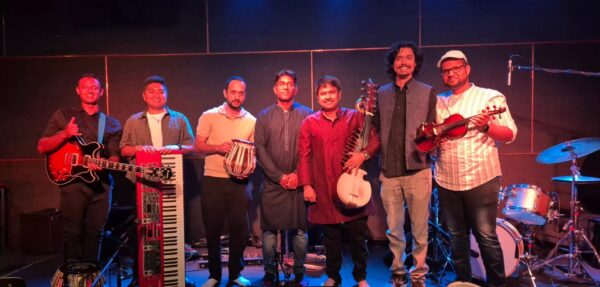
In this edition of In Conversation, we shine a light on One World, Many Sounds, a new music work by SwaraSynthesis, premiering at The Blue Room Theatre from 11 – 12 September. Two nights and two programs. Indian Classical Music & Dance and Indo-Western Fusion Music & Dance. We caught up with SwaraSynthesis to dive into the creative process behind the work and what audiences can expect from this thrilling new production.
What motivated you to apply to be part of The Blue Room Theatre’s 2026 season, and what drew you to this project?
We were drawn to The Blue Room Theatre because of its commitment to supporting independent artists, experimentation and work that contributes something distinctive to Perth’s cultural landscape. One World, Many Sounds felt like a natural project to bring into that environment because it is fundamentally about connection — between musical traditions, cultures, artists and audiences. The project has grown from SwaraSynthesis’ East Meets West foundation, but we wanted to take that idea further into a multidisciplinary stage experience. Rather than simply presenting Indian classical music alongside Western music, we wanted to explore what can happen when these traditions genuinely interact through composition, improvisation, rhythm, movement and visual storytelling.
How has the creative journey been so far, from concept development to rehearsals?
The journey has been incredibly rewarding and, at times, wonderfully unpredictable. For the past few years, SwaraSynthesis has been developing its musical identity around the meeting point between Indian classical traditions, Western music, jazz, and contemporary world music. So, in many ways, One World, Many Sounds grows naturally from the work we have already been doing as an ensemble. At the same time, we wanted to make this year’s presentation distinctly different rather than simply repeat what we have done before. One of the key ideas was to create two different musical formats across two days. The first day focuses on an Indian Classical Journey, exploring the depth, structure and expressive character of Indian musical traditions, while the second moves into a broader World Music Journey, bringing in contemporary arrangements, improvisation, jazz elements and global influences. We are also introducing more storytelling into the compositions and performances. Rather than presenting the music purely as a sequence of pieces, we are exploring the stories, emotions and ideas behind some of the compositions and allowing those narratives to connect the music, movement and audience experience. The rehearsal process has therefore been about refining something familiar while also pushing ourselves into new territory. The music still has the improvisational spirit that has always been central to SwaraSynthesis, but the addition of storytelling, movement and two distinct performance formats is allowing us to present our work in a more immersive and theatrical way.
What has stood out to you during the rehearsal process, any unexpected discoveries or moments of growth?
One of the most exciting discoveries has been how differently each musician hears and responds to the same musical idea. We come from different musical backgrounds, and those differences initially create questions, but they also create possibilities. There have been moments when a rhythmic phrase, improvisation or melodic idea has developed in rehearsal in a way that we could not have predicted when composing it. Those moments are very valuable because they remind us that collaboration is not simply about executing a predetermined vision; it is about allowing the collective creativity of the ensemble to shape the work. We have also been struck by how naturally music can create dialogue between traditions that may initially seem very different.
How has the collaboration with your cast, crew, and creatives shaped the work and your vision for it?
The ensemble has shaped the work enormously. Every musician brings their own musical language, experience and cultural perspective, and that has encouraged us to think beyond the boundaries of our original compositions. Working with artists across Indian classical, contemporary, jazz, Western and global musical traditions has made the arrangements more dynamic and has created opportunities for genuine improvisational exchange. Kankana’s dance contribution adds another layer of expression, allowing musical ideas to be communicated physically as well as aurally. For us, the most important part of the collaboration is that nobody is simply there to represent a particular tradition. Everyone is contributing as an artist. That creates a more organic form of cultural exchange.
What does having your show programmed in The Blue Room Season mean to you as a lead creative?
It means a great deal to us. Having One World, Many Sounds presented through The Blue Room Theatre gives the project an important platform within Perth’s independent arts community. As artists working between Indian classical music, contemporary world music and Western musical influences, we have always been interested in creating work that respects tradition while also allowing it to evolve. Being part of the season validates that kind of artistic exploration and gives us the opportunity to present the work to audiences in a dedicated theatrical environment. It is also significant for SwaraSynthesis as an ensemble. We have been developing our musical language over several years, and this production represents an important step in that evolution, from a music ensemble into a more multidisciplinary performance practice.
As you move closer to opening, what are you most excited, or even nervous, about sharing with audiences?
We are most excited about seeing how audiences experience the two performances. The two days are deliberately different. The first is an Indian Classical Journey, focusing on the depth, beauty and expressive possibilities of Indian musical traditions. The second moves into a World Music Journey, bringing contemporary arrangements, jazz elements, global influences and cross-cultural collaboration into the picture. We hope audiences will discover something familiar as well as something unexpected. We are also interested in what conversations might emerge afterwards. The work is not intended to tell audiences what cultural exchange should look like; it is an invitation to experience it. There is always some nervousness when a piece that has lived in our imagination and rehearsal room is finally placed in front of an audience. But that vulnerability is also part of why live performance is so powerful.
What is your show bringing to the Perth arts scene, and what do you think would help strengthen the local arts ecosystem?
We hope One World, Many Sounds contributes another perspective to Perth’s increasingly diverse arts landscape. Perth is home to extraordinary artists and communities from many cultural backgrounds, and there is enormous potential for more meaningful artistic exchange between them. The project brings Indian classical music into conversation with jazz, contemporary Western music, dance and global sounds, while maintaining a strong respect for the traditions from which those musical languages come. It also brings together Australian, Indian and international artists in a genuinely collaborative environment. We believe the local arts ecosystem becomes stronger when artists are given opportunities not only to present finished work, but to experiment, collaborate, take risks and develop ambitious ideas. Greater support for independent artists, multidisciplinary projects, cultural exchange, rehearsal and development opportunities, and sustainable presentation platforms would make a significant difference. Ultimately, One World, Many Sounds is built around a simple idea: different musical languages do not have to compete with each other. They can listen to one another, learn from one another and create something new together. That is the spirit we hope to bring to the Perth stage.
Image by Avra Banerjee