In Conversation with Jude Soussan – ملعقة (mil-aa-qa)
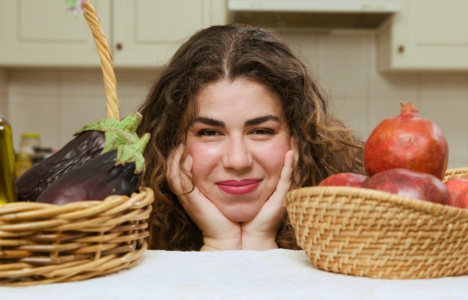
In this edition of In Conversation, we shine a light on ملعقة (mil-aa-qa) – a new play by Jude Soussan, premiering at The Blue Room Theatre from 28 April to 9 May. Through morning show-esque segments, ad breaks and a healthy dose of audience participation, ملعقة (mil-aa-qa) makes it fun, easy and delicious to cook coeliac-safe meals without breaking the bank. The scent of a home-cooked meal wafts through the theatre as Aunty tells tales of family, identity, culture and belonging, breaking down the health struggles that have affected her ability to engage with her Lebanese culture. We caught up with Jude Soussan to dive into the creative process behind the work and what audiences can expect from this thrilling new production.
What motivated you to apply to be part of The Blue Room Theatre’s 2026 season, and what drew you to this project?
I’ve always had a fascination with watching cooking shows and watching people cook. I am calmed by the sounds and smells of someone cooking. When I was diagnosed with coeliac disease, my relationship with cooking and food changed completely. Through this project, I was able to bring together my love of cooking and my relationship with food to explore how they are opposed.
I found that, after my diagnosis, a lot of people I spoke to immediately thought that it would be difficult to cater for me, or something that would take more time. With this show, I cook a coeliac-safe meal live onstage, to show how cooking for those with coeliac disease is much easier than it seems, and that they deserve the same care shown to others through cooking.
ملعقة (mil-aa-qa) had its second development season at the Hayman Theatre Stage as part of my final year at university. My lecturers would often talk about how great The Blue Room Theatre is for independent artists to create new work. I was particularly drawn to the way that The Blue Room Theatre celebrates diverse stories and voices, and felt comfortable enough to know that my Lebanese culture would not be reduced or censored.
How has the creative journey been so far—from concept development to rehearsals?
Good food! Definitely the perks of doing a cooking show.
This is my first time making a show completely independently. It was definitely a shock to transition from a university-led process to developing a process of my own. The team has had many hurdles, but we are all motivated by the desire to share this work with a community that means a lot to me.
We went to the City of Swan to meet the local Arab community and teach cooking workshops, which was such an awesome way to connect with new audiences, and share traditional Lebanese recipes in a way that is naturally coeliac-safe. I met so many coeliac people, which was so exciting. The impact of that workshop has already been incredible, and it makes me even more excited to share it with audiences at The Blue Room Theatre.
Our team has been working to turn the Theatre space into a live studio kitchen, using not only a traditional theatre set but also cameras and AV! Part of the development process has involved lots of problem-solving about how to incorporate cameras, cook live onstage and offer a great performance at the same time. It’s been challenging, that’s for sure, but I’m so keen to see what it looks like during tech week!
What has stood out to you during the rehearsal process—any unexpected discoveries or moments of growth?
The script has developed in the right direction with the growth of the character of Aunty. The stories are personal, but I have been able to channel them into this character who has her own life, a life that is very different from my own.
It’s been surprising to me how flexible this script has become. Through the process, we have found more ways to stage the story and new elements to add to the Aunty and her world.
Before I started this process, I really thought that this show was 50% set/tech and 50% story, but I have learned so much about the ways that shows come together. It has emphasised to me how even if all the elements were stripped back, the story would still hold weight. I become more self-assured, and even
more determined to get the work out there.
How has the collaboration with your cast, crew, and creatives shaped the work and your vision for it?
In this iteration of ملعقة (mil-aa-qa), I am working with some people from Curtin, and some who are new. Having people who are completely new to the process provide feedback in their areas of expertise has shaped the work into what it is. In particular, it has impacted the actor-audience relationship, and I’ve become a lot more aware of it.
Having Susie Conte as our mentor on this project has been a blessing. Even beyond the rehearsal room, when I’ve been dealing with some particularly big hurdles, Susie has been a great source of comfort and confidence, offering advice and solutions when needed.
What does having your show programmed in The Blue Room Season mean to you as a lead creative?
I’m excited as to what this could do for my career. My dream for this is that it becomes an actual cooking show, hopefully broadcast on TV! The Blue Room season will bring me new audience connections, expand the circle of artists I hope to work with, and take the first steps towards this bigger dream.
It’s not often that you get to develop a show three times. Having the time to really dive deep into the show, its story and all of the visual elements has given me the opportunity to make a fully realised work. I am grateful that The Blue Room Theatre has given me the space to do that.
As you move closer to opening, what are you most excited, or even nervous, about sharing with audiences?
I am most excited about meeting audiences who resonate with what I’m saying, particularly from the perspective of having a chronic illness like coeliac disease. I want to find a community and make something that is for them, not just about them.
I am nervous about presenting something outside a university context. The change can be overwhelming, but ultimately I have faith in this show.
What is your show bringing to the Perth arts scene, and what do you think would help strengthen the local arts ecosystem?
This show is not only entertaining and fun, but also educational. ملعقة (mil-aa-qa) finds new ways to educate audiences about coeliac disease, Lebanese culture, and their intersection. I hope that audiences can leave feeling that if they were to encounter someone with coeliac disease, they would know how to cater for them. Let’s make cooking accessible, inclusive and delicious!
Image by Alleyne Aviles