In Conversation with Patrick Gunasekera – The Little Mermaid
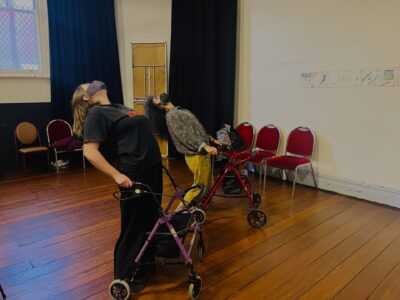
In this edition of In Conversation, we shine a light on The Little Mermaid, a new show by Patrick Gunasekera, premiering at The Blue Room Theatre from 4 – 22 November. The Little Mermaid is about the youngest son in a mobility aid-using family who runs away from his Mandurah home, looking for the love he deserves on land. Made with care by a disabled-led team of underrepresented theatre, dance and music collaborators – this coming-of-age ballet adaptation shimmers with interdisciplinary magic and the tender determination of our city’s underdogs. We caught up with Patrick Gunasekera to dive into the creative process behind the work and what audiences can expect from this thrilling new production.
What motivated you to apply to be part of The Blue Room Theatre’s 2025 season, and what drew you to this project?
I wanted to create a narrative ballet that completely subverted what ballet typically stands for as a culture. This ballet is soft, realist, and marginalised points of view are centred. Having struggled to find my place in the pro dance and theatre sectors, it was important to me to create a process that could safely hold all of my identities and disciplines, which necessitates doing things differently to industry conventions.
I knew that The Blue Room Theatre’s development season was the right place to expand on these underrepresented processes, and I’ve been lucky to be met with so many staff who’ve backed my ideas at every stage of this project – this kind of trust is genuinely rare to come by for young and particularly disabled artists, and has made so much this journey a lot easier than it otherwise would have been producing the show entirely myself.
I also wanted to connect with Hans Christian Andersen’s 1836 short story The Little Mermaid, his own personal document of queer pain and isolation. But what drew me most to the story as an adult were the themes of co-dependency in the central character, and how she becomes so invested in someone who doesn’t accept her as she is.
It echoed a lot of what first love looks like for marginalised young people, and tying that into running away from home and my own experiences code-switching when I moved from Mandurah to the city – I wanted to articulate some of those lived experiences through magical realism, in a way that was also uplifting, containing and empowering for a team of all marginalised artists to develop.
How has the creative journey been so far—from concept development to rehearsals?
Really enriching, and challenging.
Creatively, the idea was to combine the forms of realist theatre and narrative ballet – to create a nuanced story with complex character development, and stage it through ballet while maintaining the look and feel of modern everyday people. There were so many curveballs, unknowns, and new experiences for me and many of the team across this journey, but ultimately I think we had the advantage of a lot of time to work together over a year of part-time rehearsals. This created breathing space between time with cast to think things through and come up with new ideas that worked with where we were all at and how the work was panning out.
As a choreographer I like to be really responsive with dancers and ensure the work has space their own interpretations of the movement, so everything in the work feels really unique to this cast and what we’ve each been drawn to along the development process with our characters and this hybrid ballet-realism technique.
What has stood out to you during the rehearsal process—any unexpected discoveries or moments of growth?
I think in producing a project that placed safety above productivity, it was always beautiful to see how the work and process morphed toward ways of doing things we wouldn’t have otherwise expected or planned for.
Ultimately, we all learned a lot about how we want to work as dancers, theatre-makers, composers and producers. We didn’t always align in our own ways of working, but the process always had this mutuality toward each other’s individuality and boundaries, and I think that was the core strength of this work and what tied us together.
How has the collaboration with your cast, crew, and creatives shaped the work and your vision for it?
I had never worked with other dancers before as a choreographer, and this was also my first full-length work and my first time producing a show. So at first I was very tentative about taking up space and directing collaborators. But the more I got to know the cast and build a process with them that reflected all of us, the more comfortable I felt being really clear, direct and expansive with the movement ideas we developed in the room. I continued to check in with all the dancers about how feedback felt and how or whether they wanted to receive it anytime, but overall we developed a really respectful process that enabled everyone to grow and learn complex skills as dancers and as people.
I think this shaped the show into something that puts care and development first at the same time. The show is constantly growing as we grow, we can talk so openly about what we need and what the show needs, and I’m always keen to keep expanding our capacity as an ensemble. But we’re also a team of people doing many of the things in the work for the first time – I’ll always be incredibly grateful for the courage, openness, responsiveness and respect amongst this team that has enabled all of us as dance artists to be challenged and supported simultaneously.
What does having your show programmed in The Blue Room Season mean to you as a lead creative?
This opportunity has been one of the most beneficial experiences to my own and many of our collaborators’ journeys in the arts – but it also comes with the hard truth that a year ago we were within a huge pool of applications that could have been selected and weren’t. Being programmed anywhere is an enormous privilege – it amplifies your voice, and how you do things. So for me, being programmed in The Blue Room’s annual season has meant really growing into a greater level of responsibility and awareness of the lack of opportunity in our small and underfunded industry – at the same time as having the most collaborative and open support from an arts organisation, a kind and inclusive community of artists making their first shows this year too, and a vital platform through which to role model to younger artists how we can create the industry we want to be in through our own creative processes.
As you move closer to opening, what are you most excited—or even nervous—about sharing with audiences?
I’m most nervous about taking the risk of sharing something people will have never seen, experienced, or shared with others through the theatre before. And I’m most excited for all the ways this will move and change people who get to share this ballet with us through the audience.
What is your show bringing to the Perth arts scene, and what do you think would help strengthen the local arts ecosystem?
I hope it shows other artists how powerful we are, that we don’t need to wait for permission to create something entirely different to anything that’s been role-modelled to us, and that we don’t need to be afraid of our own bodies and voices as performance-makers – no matter how different we are or how much we’ve felt we don’t belong. I also hope it encourages other marginalised artists to keep reclaiming classical art forms that have erased our perspectives, and to envision ways of archiving our own stories through these forms for the future.
The work of ambitious underrepresented artists more broadly rarely receives the kind of support and encouragement that’s been available to us across this journey, particularly through The Blue Room. As every other heartfully independent show does, I hope this ballet gives our local communities more reasons to financially invest in independent artists for the betterment of our society and our sector’s most marginalised ideas and perspectives.
Image by Anna Quercia-Thomas